


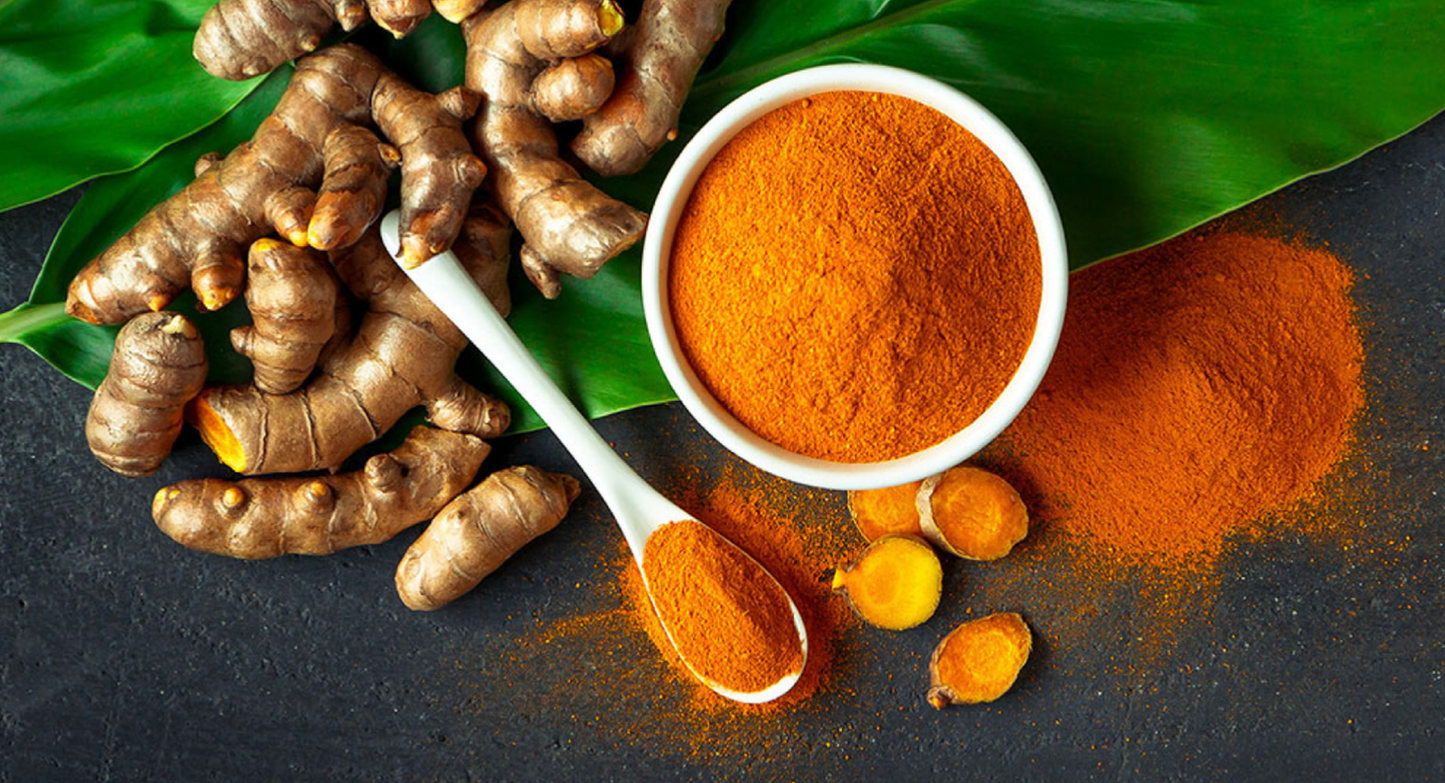
There have been and continue to be many high-quality studies into the benefits of turmeric and curcumin on the brain and body. Scientists have tended to focus their research on curcumin, which is one of the curcuminoids found in turmeric and typically makes up 3-5% of the turmeric root. However, more studies need to be done around the other curcuminoids and the symbiotic role they play in their magic healing properties.
Turmeric and its curcuminoids are a natural, powerful anti-inflammatory and antioxidant and current research is showing magical benefits to the brain and the body. As an anti-inflammatory scientists believe continued chronic low level inflammation plays a role in some health conditions namely some degenerative diseases. Oxidative damage is believed to be one of the mechanisms behind ageing and other diseases. Curcumin is a powerful antioxidant and can neutralise and even block, free radicals due to its chemical structure.
Source*: This article written by Kris Gunnars, BSc and subsequently medically reviewed by Kathy W. Warwick, R.D., CDE (Updated on May 10, 2021) provides more detail with references to the studies.
#1
Certified Curcumin Content
#2
Always Includes Black Pepper
#3
Always Includes Oil Carrier

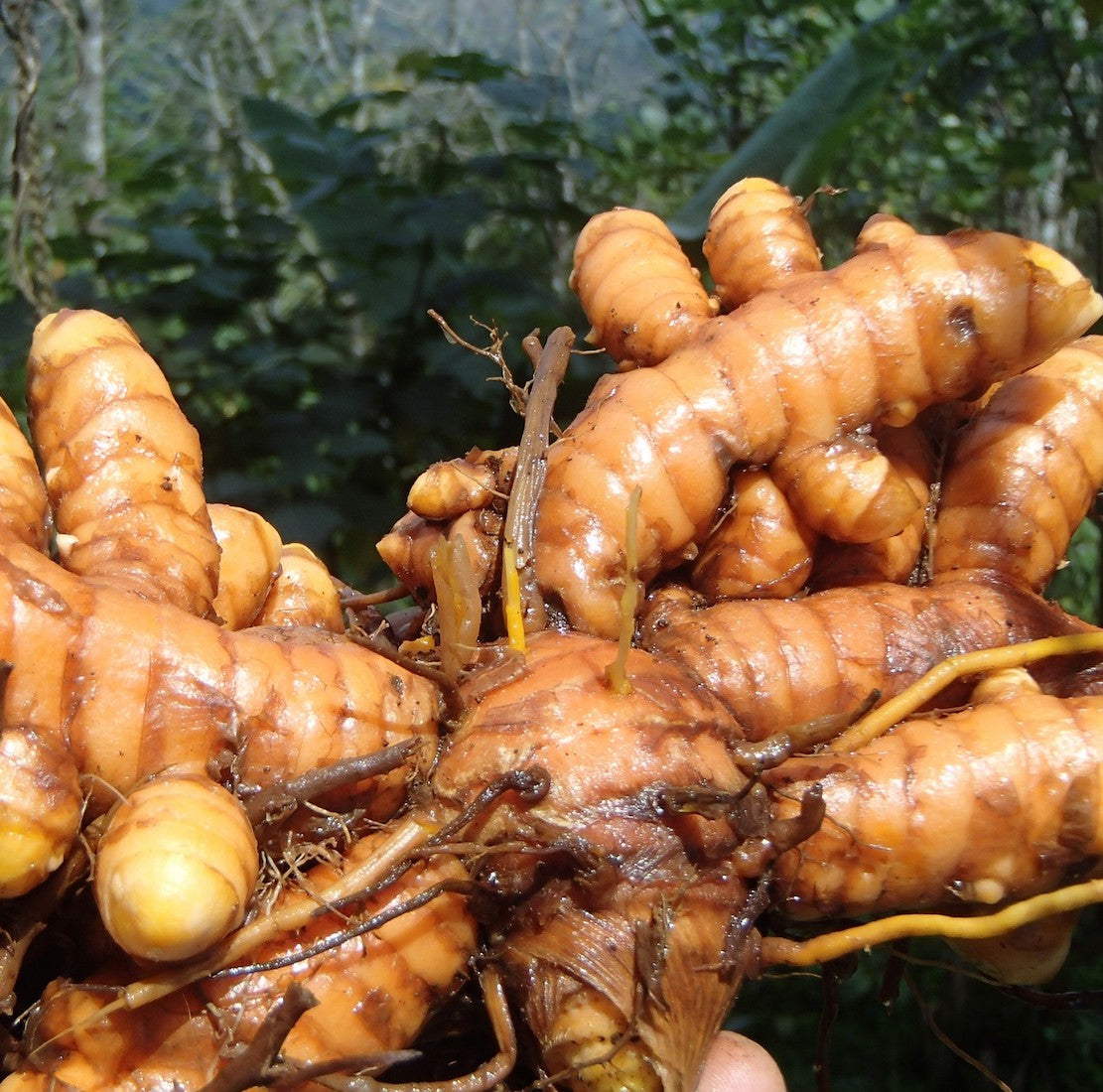
High quality Turmeric
Regular store bought or unmarked turmeric can contain as little as 1% turmeric and some even contain fillers.
Our turmeric comes direct from our farmers in Southern India who farm responsibly and sustainably under the guidance of an NGO. It is then steam sterlised and microbiology analysed to determine the curcumin content of each harvest and to detect any heavy metal contaminants in the soil e.g lead.

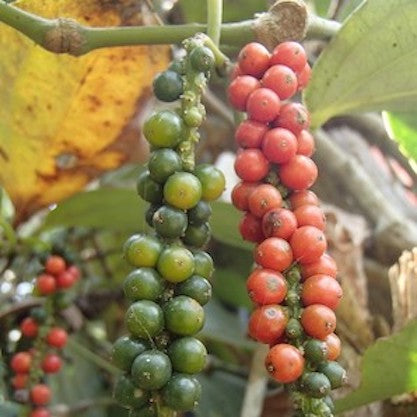
Black Pepper
Piperine is a compound in ground black pepper and improves bioavailability of curcumin by 2000%*.
Piperine works by protecting curcumin from the digestive enzymes that are actively trying to metabolise it and remove it from the bloodstream.

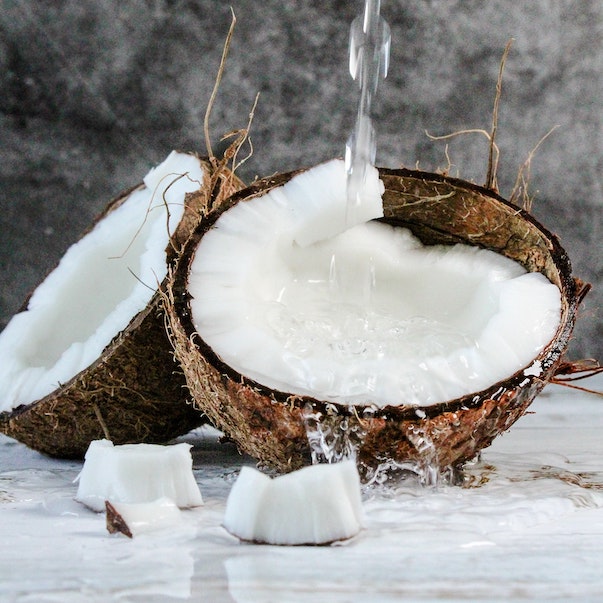
Coconut oil
Turmeric is not water soluble but is soluble in an oil. When dissolved in fat, curcumin will go directly into the lymphatic system bathing all the cells in the body. It also bypasses the liver in what is called the first pass phenomenon.


Heat
Adding heat increases solubility (solubility not bioavailability) of turmeric by 12x*. There is no definitive evidence as yet to the extent that this impacts on bioavailability although it does mean that turmeric is more readily absorbed by the body.